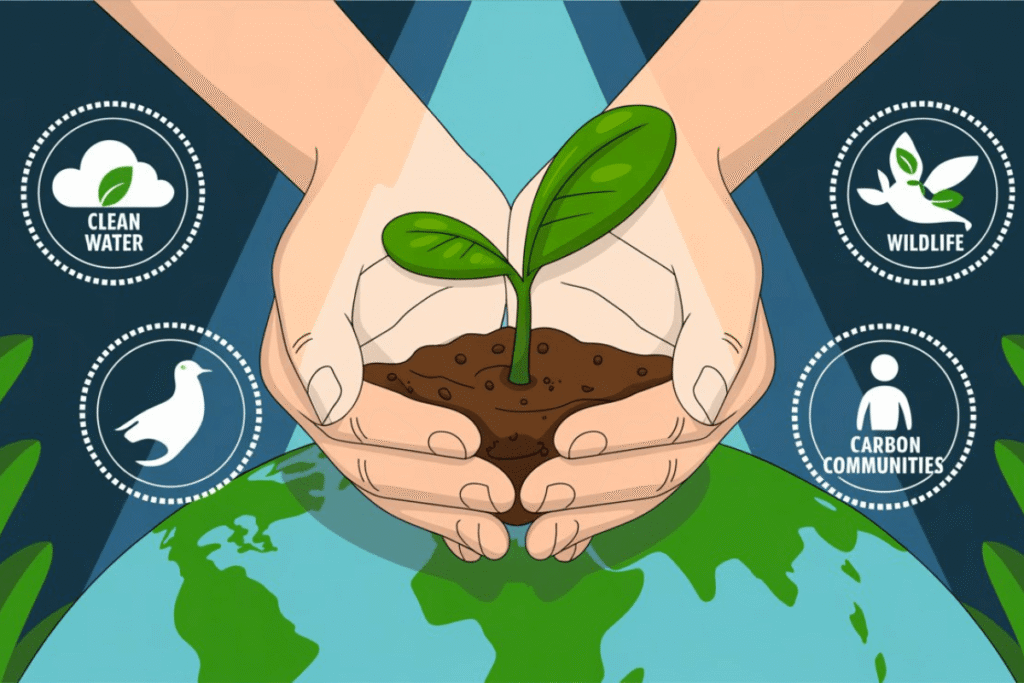
Many people donate to tree-planting efforts to fight climate change. They want to know whether the trees actually help by pulling extra carbon dioxide (CO₂) out of the air. That’s where verification comes in.
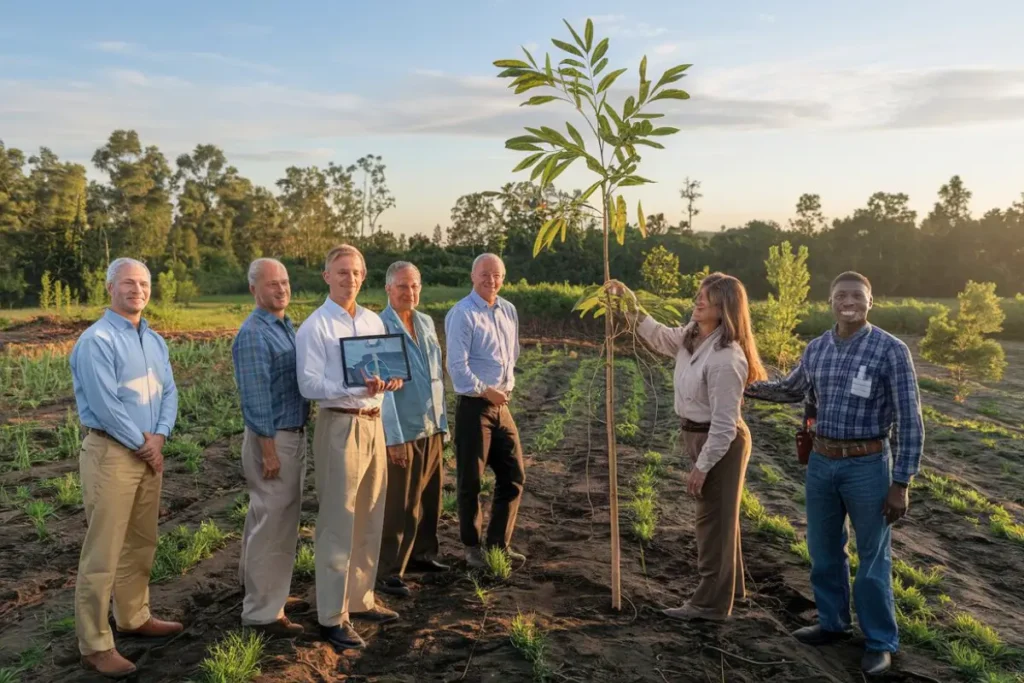
Verification means experts carefully check if a project does what it promises. Without strong checks, some projects might not work well or could even cause problems. Good verification builds trust, so your support makes a true difference.
Verified projects show they add real benefits that wouldn’t happen otherwise. They prove the carbon stays locked in the trees for a long time. And they stop problems from just moving to another place. Independent groups set strict rules to make all this happen. This way, donors, companies, and everyday people can feel confident about the results.
Key Takeaways
- Tree-planting projects must prove they really remove extra CO₂ from the air.
- Independent experts check everything — from start to finish.
- Big rules come from groups like Verra, Gold Standard, and U.S. programs.
- The goal? Make sure projects help the planet for real — and last a long time.
Table of Contents
Why We Need to Verify Tree-Planting Projects
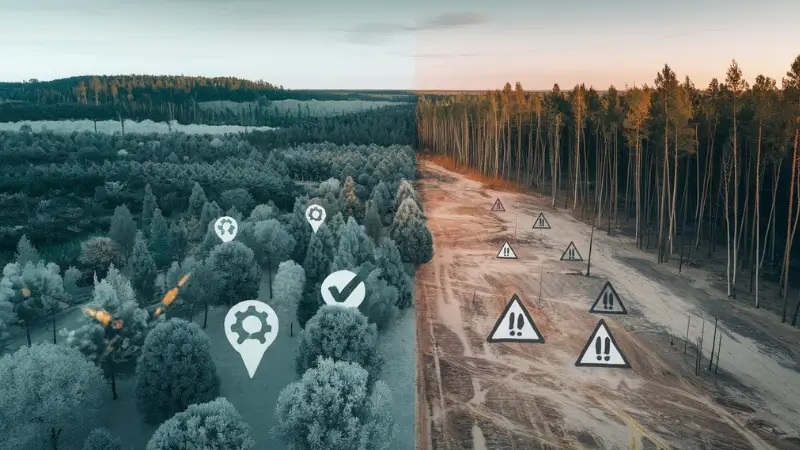
People plant trees to fight climate change. Trees pull CO₂ out of the air and store it. But not every project works the same way. Some fail to grow real forests. Others count the benefits that would happen anyway. Verification steps in to prove the project really helps.
Verification shows the trees remove extra CO₂ that wouldn’t be removed without the project. This is called additionality. Good checks make sure the project creates real extra removal.
Next comes permanence. Trees store carbon for many years — but only if they stay healthy. Fires, storms, diseases, or people cutting them down can release the CO₂ back. Verification plans for this risk. This way, the carbon remains locked away for decades or even 100 years or more.
Then there’s no leakage. Sometimes a project protects one area, but people just cut trees somewhere else instead. This moves the problem, not solves it. Verification measures are implemented in nearby areas and adjustments are made to credits if leakage occurs. This keeps the net benefit real.
Trustworthy verification builds confidence. Donors know their money supports real climate action. Companies can claim honest carbon credits. Everyday people feel good about helping. In the end, verified projects remove CO₂ while protecting nature and supporting communities — that’s the goal we all want.
Main Standards That Check Tree-Planting Projects
Several trusted groups set clear rules for tree-planting projects around the world. These groups make sure projects follow science, stay honest, and deliver real results. Here are the main ones in 2026.
Verra’s Verified Carbon Standard (VCS)
Verra Verified Carbon Standard (VCS) is the most common one for big reforestation projects. Verra runs the most popular standard for big reforestation projects. It covers afforestation, reforestation, and revegetation (ARR) worldwide. Projects use methods like VM0047 to plant trees on degraded land or restore forests. Verra checks additionality, permanence, and no leakage carefully.
Many projects in Asia, Africa, and even Europe use VCS. For example, large mangrove restoration in Myanmar or agroforestry in India gets verified here. Verra keeps updating rules, like better ways to handle risks from fires or storms. This makes VCS a go-to for high-volume, trusted credits.
Gold Standard
Gold Standard goes beyond just carbon. It focuses on extra benefits like creating jobs, improving lives for local people, and protecting biodiversity. It works well for community-led tree planting, agroforestry, and reforestation. Projects must show real social and environmental gains alongside CO₂ removal. The Gold Standard is popular in developing areas and requires strict checks every few years. It suits smaller or people-focused efforts, especially in Asia and Africa.
In the United States: American Carbon Registry (ACR) and Climate Action Reserve (CAR)
These two handle most U.S. forest projects. The American Carbon Registry recognizes projects focused on better forest management, establishing new forests, and restoring degraded forest areas, mainly on private property. It uses detailed methods to measure carbon in millions of acres across states like Virginia, Washington, and the South.
Climate Action Reserve(CAR) focuses on the U.S. Forest Protocol for reforestation, improved management, and avoiding forest loss. Both require independent audits, site visits, and strong permanence plans. They tie into voluntary markets and sometimes compliance programs. Many U.S. landowners use these for real income from sustainable forests.
In Europe (especially the UK): Woodland Carbon Code
The Woodland Carbon Code is the UK’s main standard for new woodland creation. It stresses long-term care (often 100+ years), nature protection, and UK-specific rules. Version 3.0 (updated in 2025) makes it easier for small projects and farms to join.
It requires projects to reach a certain tree density and get verified every 10 years. Many projects in Scotland and England use it for native trees that help wildlife and fight climate change. Other European projects often link to Verra or Gold Standard, too.
These standards work together to keep tree-planting honest. They use independent auditors, public records, and science-based tools. When you support a project under one of these, you know it follows strict rules and makes a lasting difference.
The Step-by-Step Verification Process
Experts follow clear steps to check tree-planting projects. This keeps everything honest and shows real CO₂ removal. The process looks similar across standards like Verra (VCS), Gold Standard, ACR, CAR, and the Woodland Carbon Code, but with small differences.
- Project teams write a detailed plan and share it publicly. Developers create a full project description. This includes maps of the land, tree species, how many trees, expected CO₂ removal, and proof that the project adds real benefits. They post it online for public comments — usually for 30 days. Anyone can review and give feedback. This step happens before planting starts in many cases.
- An independent auditor reviews the plan and approves it. This is called validation. A third-party expert, called a Validation/Verification Body (VVB), checks the plan. They make sure it follows the rules, uses the right methods, and meets requirements for additionality, permanence, and no leakage. They often visit the site or do a desk review. Once approved, the project gets listed as “validated” in the public registry. For example, under Verra, this must happen within set timelines, like before full registration.
- The team plants trees and watches them grow. They measure and report results. Now the real work begins. Teams plant the trees, care for them, and monitor growth. They use simple tools like on-site measurements (counting trees, measuring height), satellite images, drones, or photos. They write regular monitoring reports with data on survival rates and carbon stored. Local people often help collect this info for accuracy.
- The auditor comes back regularly to verify the real CO₂ removed. Every few years (often 5–10 years, depending on the standard), the same or another independent VVB returns. They review reports, check numbers, and visit sites to confirm the trees are healthy and are removing the claimed CO₂. They look for risks like fires or poor growth. If issues appear, they adjust credits. For the Gold Standard, this includes checking community benefits, too. In the U.S., with ACR or CAR, site visits are common for forests.
- If everything looks good, the registry issues carbon credits. The auditor sends a positive report. The registry (like Verra Registry or UK Land Carbon Registry) reviews it and issues credits — each one equals one ton of CO₂ removed and stored. Credits get a unique serial number for tracking. The whole process stays public, so anyone can see details, reports, and issuances. This prevents double-counting and builds trust.
This step-by-step approach takes time — often years — but it ensures projects deliver lasting results. Public records let donors check progress anytime.
How Verification Works in Different Places
Rules look a bit different around the world. Each region adapts the main standards to fit local laws, land types, and challenges. Here’s how it works in the United States, Europe, and Asia as of 2026.
United States
ACR (American Carbon Registry) and CAR (Climate Action Reserve) lead most forest carbon projects. They follow strict U.S. rules, with a strong focus on site visits and risk protection — especially from fires, droughts, or market changes.
Many projects improve existing forests (called Improved Forest Management or IFM) or plant new ones on private lands. For example, ACR’s latest IFM methodology (version 2.1) uses updated tools to check baselines each time and has earned high-integrity approval from global reviewers. CAR’s U.S.
Forest Protocol (version 5.1) requires independent auditors for verification every few years, plus public reporting. Projects often cover millions of acres in states like Washington or Virginia. These standards tie into both voluntary markets and sometimes state programs, with extra buffers for permanence risks.
Europe
In the UK, the Woodland Carbon Code is the main standard for new woodlands. Version 3.0 (launched in August 2025) makes it easier for small farms and crofting land, while keeping strong checks on land rights, wildlife protection, and permanence (often 100+ years).
Projects get validated before planting and verified every 5–10 years by accredited bodies. The first full verification often happens at year five. Many focus on native trees that boost biodiversity and link to EU nature goals. Verra (VCS) and Gold Standard are also used across Europe for larger or community projects. The code stresses long-term care, with public records and streamlined rules for projects up to 10 hectares.
Asia
Verra’s VCS and Gold Standard run most big reforestation projects here, like mangrove restoration in Indonesia or agroforestry in India. They use satellites and drones for hard-to-reach areas, which helps monitor vast lands.
For example, projects in Indonesia (like peatland or mangrove ones) now work with a new agreement between Verra and the government — projects are registered in both systems for better tracking. Land ownership gets extra checks because of complex rights. Weather risks like monsoons or fires get special attention with buffer credits. Community projects often use Plan Vivo, which supports smallholders with third-party verifications every 5 years. It focuses on local benefits, like jobs and income, alongside carbon removal.
In all these places, independent auditors do the heavy lifting. They visit sites, review data, and ensure everything meets the rules. This regional mix keeps verification practical while staying honest and effective.
Tools and Ways Experts Monitor Projects
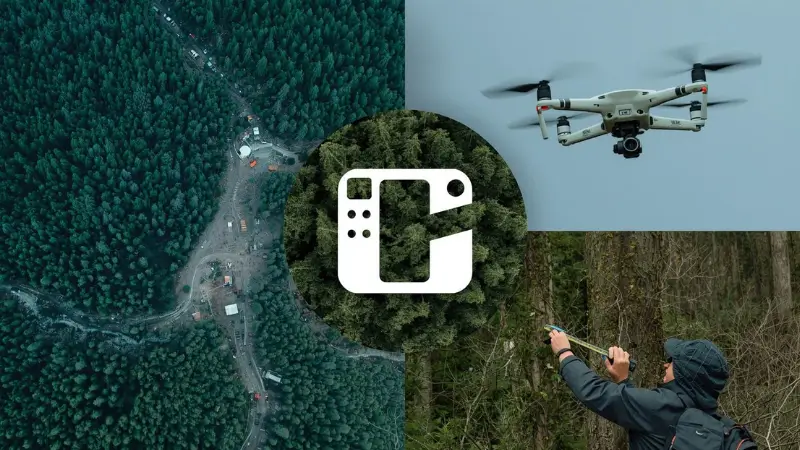
Teams use simple but smart tools to keep track of tree growth and carbon removal. Monitoring happens regularly so experts can spot problems early and prove the project works. Here are the main ways they do it in 2026.
On-the-ground surveys to count living trees and measure growth
Experts or trained locals walk the site and check trees directly. They count how many survived, measure tree height, trunk width, and health. This gives exact data on growth. In community projects, like those under Plan Vivo or Gold Standard, local people often help with these surveys. They collect info every year or two. This method is accurate for small areas and builds trust because community members see the results themselves.
Satellites and drones to watch large areas over time
For big projects, satellites take pictures from space to track changes in tree cover across huge areas. They spot new green areas, dry spots, or damage from fires. Drones fly lower for sharper details — they map tree height, density, and health using special cameras. Verra’s VCS methodology (like VM0047) relies heavily on remote sensing with satellites and sometimes drones to compare the project area to similar spots nearby. This creates a “dynamic benchmark” to show real extra growth. Drones are cheap now and work well in hard-to-reach places, like remote forests in Asia or mountains.
Local people help collect data for accuracy
Many projects train community members to gather info. They use mobile apps to record tree counts, take photos, or note issues like pests. This makes monitoring faster and cheaper. In Gold Standard and Plan Vivo projects, locals play a big role because they know the land best. Their input helps catch problems early and ensures benefits reach the people who need them.
Extra credits are saved in a “buffer” to cover risks like fires or storms
No one can predict everything. Fires, storms, droughts, or diseases can kill trees and release CO₂ back. To handle this, projects put aside extra credits in a shared “buffer pool.” Verra, Gold Standard, ACR, and CAR all use buffer pools — often 10–20% or more of issued credits go there. If something bad happens, the registry retires credits from the pool to cover the loss. This keeps the overall carbon benefit real. For example, ACR has never had to use its buffer for unintentional losses in many forest projects, showing how strong the planning is.
These tools work together: satellites and drones give the big picture, on-ground checks add detail, community help keeps it real, and buffers protect against surprises. This mix makes monitoring reliable, cost-effective, and transparent — so everyone knows the trees are truly helping the planet.
Big Challenges and How Projects Fix Them
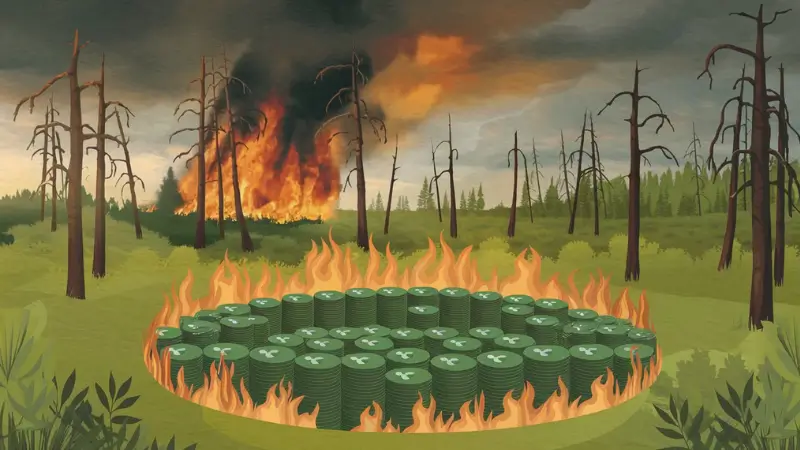
Verification isn’t easy. Tree-planting projects face real hurdles that can affect how much CO₂ they truly remove. Here are the main problems and how teams and standards work to solve them in 2026.
Proving additionality — Teams must show the project adds real new benefits.
Without proof, credits might go to trees that would grow anyway, like on land already set for natural regrowth. This has been a big issue in older projects.
To fix it, standards now require stronger tests. For example, Verra’s updated VCS Version 5 (launched in December 2025) uses better baselines tied to real national forest data. Projects must show financial or legal reasons why the work wouldn’t happen without carbon money. In the U.S., ACR and CAR demand project-specific checks and dynamic baselines that update over time. This cuts down on over-claiming and builds trust.
Keeping carbon permanent — Fires, droughts, or cutting can release it back.
Wildfires, storms, pests, or people cutting trees can send CO₂ right back into the air. This reversal risk makes permanence hard, especially as climate change makes extreme weather more common.
Standards handle this with buffer pools — they set aside extra credits (often 10–60%, based on risk) in a shared account. If a reversal happens, the registry retires credits from the pool to cover it. Verra updated its non-permanence risk tool in late 2025 for better accuracy. They’re also piloting new options like insurance policies or fund-based backups instead of just buffers. Gold Standard keeps a fixed 20% buffer that stays untouched even after the project ends. These steps protect the overall climate benefit.
Over-crediting — Some old projects counted too much CO₂.
In the past, weak baselines or outdated methods led to issuing more credits than actual removal. This hurt trust in the whole system. Studies and reviews showed many legacy projects overstated benefits due to poor additionality or ignored risks.
New rules make checks stricter. Verra’s 2025–2026 updates shorten review cycles (projects reassess baselines every five years) and push for more frequent monitoring with better tech like satellites. Independent experts now review methodologies more rigorously.
Standards align with groups like the Integrity Council for the Voluntary Carbon Market (ICVCM), which approves high-integrity standards or methods. Teams use advanced tools — drones, LiDAR, and machine learning — for precise carbon measurements. More site visits and public data help spot issues early.
These fixes aren’t perfect, but they show the field improving fast. Projects that follow the latest rules deliver more reliable results. When you pick verified ones, you support real, lasting climate action.
Best Tips for Choosing Verified Tree-Planting Projects
Want real impact from your tree-planting support? Not all projects are the same. Some deliver strong results, while others fall short. Here are practical tips to help you pick the good ones. Follow these signs, and you’ll back projects that truly remove CO₂, protect nature, and help people.
1. Pick projects checked by independent auditors
Always choose ones verified by a third-party expert, not the project team itself. Look for names like Verra (VCS), Gold Standard, American Carbon Registry (ACR), Climate Action Reserve (CAR), or the Woodland Carbon Code. These groups use outside auditors (called Validation/Verification Bodies) who review plans, visit sites, and confirm real results. If a project says “self-verified” or skips this step, walk away.
2. Check public registries for transparent records
Good projects share everything openly. Go to the official registry website and search for the project. You should find:
- The full project plan
- Monitoring reports
- Auditor findings
- Issued carbon credits with unique serial numbers from Verra Registry, Gold Standard Registry, ACR Registry, or the UK Land Carbon Registry are easy to use. If the details are hidden or hard to find, it’s a red flag. Transparency lets you see progress anytime.
3. Choose ones that plan for 20–100+ years of care
Carbon needs to stay locked away for a long time to fight climate change. Look for projects committed to long-term monitoring and protection — at least 20 years, but ideally 40–100+ years. Standards like the Woodland Carbon Code require 100+ years in the UK. Verra, ACR, and CAR demand strong permanence plans with buffer credits for risks. Ask: What happens if the project ends? Good ones have legal agreements or funds to keep caring for the trees.
4. Mix tech monitoring with real people on the ground
The best projects use both high-tech and hands-on checks. Satellites and drones give the big picture for large areas. On-site surveys and local reports add accurate details. Community involvement makes monitoring stronger and more trustworthy. Avoid projects that rely only on satellites (they can miss small issues) or only on self-reports (they can be biased). A balanced mix shows the team is serious.
5. Support community-led work for lasting results
Projects that involve local people often succeed more. When communities own or lead the effort, they take better care of the trees. They also gain jobs, income, food, or other benefits. Look for Gold Standard or Plan Vivo projects — these focus on people and nature together. Community-led work reduces risks like illegal cutting and creates change that lasts beyond the funding.
Quick Checklist Before You Donate or Buy Credits
- Is it verified by a major standard (Verra, Gold Standard, ACR, CAR, Woodland Carbon Code)?
- Can you find it in a public registry with full reports?
- Does it plan for decades of care with buffers for risks?
- Does it use both tech and local monitoring?
- Are local communities involved and benefiting?
Verified projects remove CO₂ while helping wildlife, restoring land, and supporting families. When you choose wisely, your support makes a real, lasting difference for the planet.
Final Thoughts: Go for Verified Projects
Tree planting can help fight climate change. It pulls CO₂ from the air, restores land, and supports wildlife. But it only works well when projects are verified properly. Without strong checks, good intentions can lead to trees that die, carbon that gets released again, or benefits that never reach people who need them.
The good news? You don’t have to guess. Standards like Verra, Gold Standard, ACR, CAR, and the Woodland Carbon Code exist to make sure everything is real and lasting. When a project follows these rules — with independent auditors or independent ratings of carbon credit quality, public records, long-term plans, and community involvement — your support counts.
So next time you donate, buy carbon credits, or join a tree-planting effort, ask a few simple questions:
- Is it verified by one of the trusted standards?
- Can I see the full reports and progress online?
- Does it plan to care for the trees for decades?
- Are local people part of the work and the benefits?
If the answers are yes, go for it. Your action will help remove real CO₂, protect forests, create jobs, and build a healthier planet for the long run.
Verified projects turn hope into actual change. Choose them, and know that every tree you help plant makes a true difference.
ACR covers improved forest management (IFM), afforestation, and reforestation on private lands.
What does “verified” really mean for a tree-planting project?
Verified means independent experts check the project from start to finish. They confirm that the trees remove extra CO₂ that wouldn’t happen otherwise. They also make sure the carbon stays stored long-term and doesn’t cause problems elsewhere. Standards like Verra or Gold Standard set the rules for these checks.
How long does the verification process take?
It takes time — often years. Validation (checking the plan) happens before or early in planting. Then, monitoring and full verification occur every few years (usually 5–10 years). Credits get issued only after auditors approve the real results. This slow pace ensures honesty and lasting impact.
Do all tree-planting projects need to be verified?
No, not all. Some community or small efforts plant trees without formal carbon credits. But if a project sells carbon credits or claims big CO₂ removal, strong verification is a must. Trusted ones always use standards like Verra, Gold Standard, ACR, CAR, or Woodland Carbon Code.
What happens if trees die or get cut down after verification?
Projects plan for this is with “buffer pools.” They save extra credits to cover losses from fires, storms, or other risks. If a reversal happens, the registry retires credits from the buffer so the overall benefit stays real. Good projects also monitor ongoing to catch issues early.
Can I check if a project is really verified?
Yes — look in public registries. Search for the project on Verra Registry, Gold Standard Registry, ACR, CAR, or Woodland Carbon Code sites. You see full plans, reports, auditor results, and credit numbers. If nothing shows up or details hide, choose another project.
Are verified projects more expensive to support?
Yes, a bit — verification adds costs for audits, monitoring, and reports. But it ensures your money creates real change, not just photos of planted trees that may not survive. Unverified projects can waste funds on short-term efforts.
How can I support verified tree-planting right now?
Choose platforms or groups that follow these standards. Check their projects in public registries. Look for community involvement and long-term plans. Your donation or credit purchase goes further when verification proves real results.